


Latest News
Stay up to date with company updates, industry insights, and important announcements.

If you manage property in NYC, consider this your friendly countdown: Jan 1, 2027.
If you manage property in NYC, consider this your friendly countdown: JAN 1, 2027. Let’s get you up to code on time and on budget. Jan 1, 2027, is closer than it looks!
 Champion Elevator Announces Executive Leadership Updates: Founder Don Gelestino Named Chairman of the Board, Dave Harper Appointed CEO, and Industry Veteran Alex McFarlane Joins as COO Gallery
Champion Elevator Announces Executive Leadership Updates: Founder Don Gelestino Named Chairman of the Board, Dave Harper Appointed CEO, and Industry Veteran Alex McFarlane Joins as COO
Champion Elevator Announces Executive Leadership Updates: Founder Don Gelestino Named Chairman of the Board, Dave Harper Appointed CEO, and Industry Veteran Alex McFarlane Joins as COO
Champion Elevator, a leading independent elevator company, today announced an exciting transition in its executive leadership team designed to honor its entrepreneurial roots while strengthening its foundation for future growth and service excellence.

How to Know if Your Business Needs a Service Elevator
While knowing whether or not your building requires a passenger elevator may be fairly straightforward, knowing if a freight elevator or service elevator is needed may be a bit more complicated. It’s important to note that the requirement for freight and service elevators doesn’t invalidate your need for passenger elevators. These are additional elevators used to transport material goods and employees for certain types of buildings or businesses.
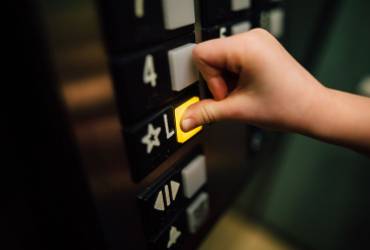
How Long Can an Elevator Be Out of Service? (ADA Elevator Requirements)
Passed in 1990, the Americans with Disabilities Act, or ADA, is a set of regulations intended to make spaces more accessible for Americans living with disabilities. These accommodations are intended to prevent discrimination based on disability and allow people with disabilities to comfortably and successfully participate in society.

Passenger Elevators vs. Freight Elevators: What’s the Difference?
Passenger Elevators vs. Freight Elevators: What’s the Difference?
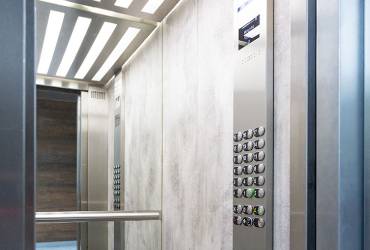
Knowing When It’s Time for Elevator Modernization Upgrades
Elevator modernization is the process of updating critical elevator components to keep up with new technology, improve elevator efficiency, and enhance passenger safety. Modernization is less expensive than a complete elevator replacement and decreases energy usage while improving property value, making it a sound investment for your elevator system.

Commercial Elevators vs. Residential Elevators
The difference between commercial elevators vs. residential elevators may seem straightforward, but a few specificities define each type of elevator.

Improve Accessibility with Our Wheelchair Lift Platforms
Wheelchair lifts, also known as platform lifts or vertical platform lifts, vertically transport both wheelchairs and their occupants. These wheelchair lift platforms can be installed in businesses to meet ADA requirements or homes to increase accessibility and convenience. In addition, wheelchair lifts are an excellent choice for any home or building inhabited or frequented by wheelchair users, with a lower cost and installation commitment than traditional elevators. Keep reading to learn more!
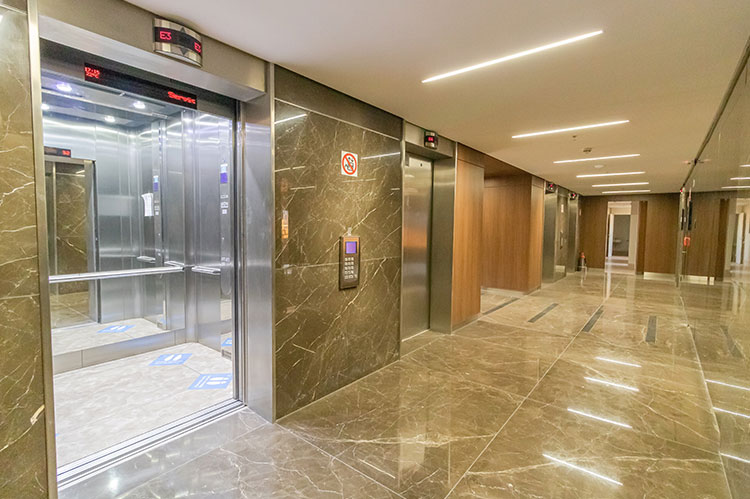
How Elevator Inspectors Conduct QEI Inspections
Qualified Elevator Inspectors, abbreviated QEI, are elevator technicians who have been certified by the National Association of Elevator Contractors (NAEC) to have the knowledge, skill, and education to thoroughly inspect elevators to ensure the highest level of safety and code compliance. A QEI inspector has demonstrated that they have the education and experience to inspect elevators at the highest standard—so you can feel secure in your elevators’ efficiency and safety.